
EuPFI2026
- 18th Annual Conference
- Programme
- Abstracts and Posters
- Soapbox Session Presentations
- Session Presentations
- Preconference Workshop Presentations
- PCCA Award Winners
- EuPFI 2026 Picture Gallery
- Contacts
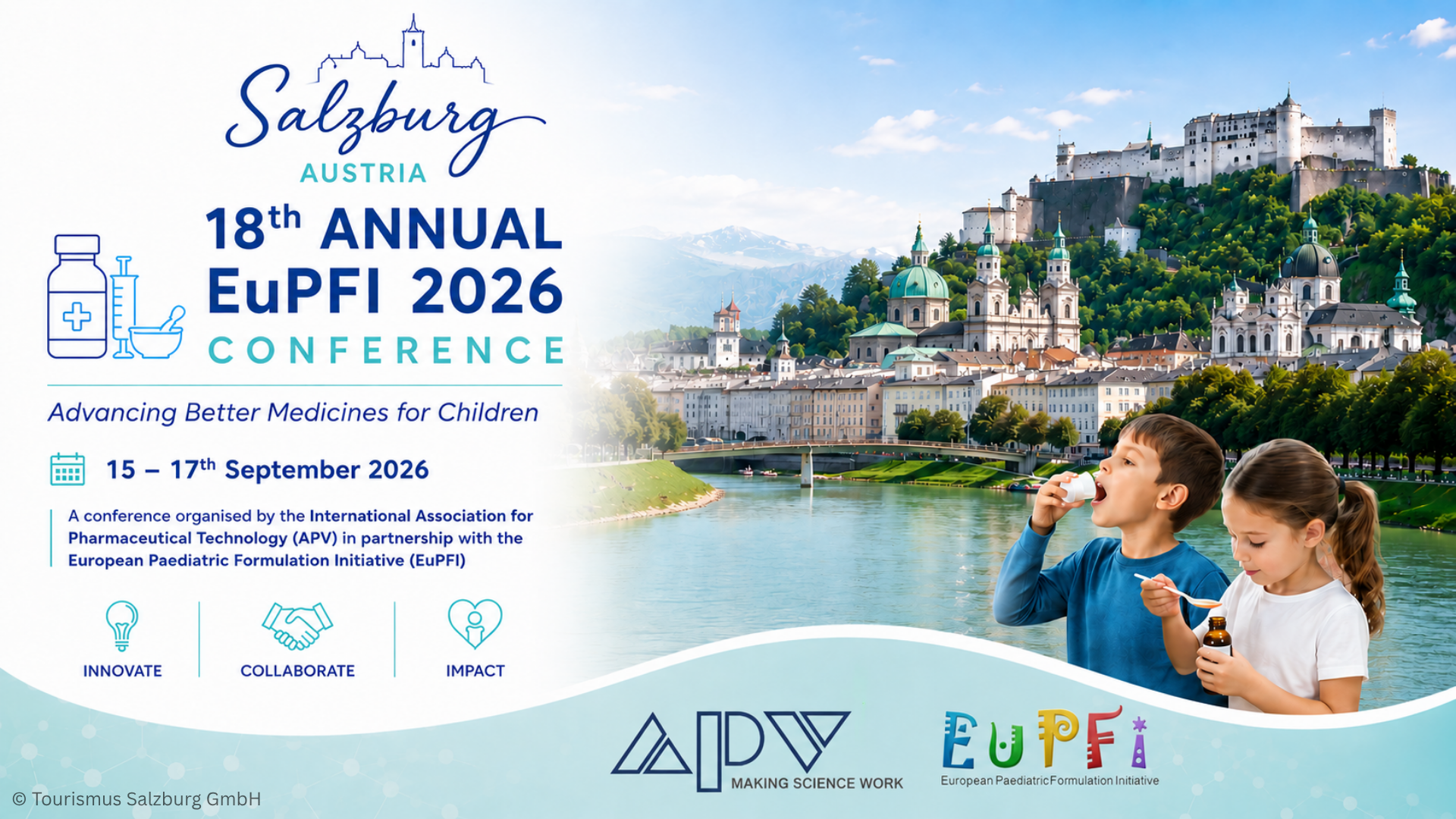
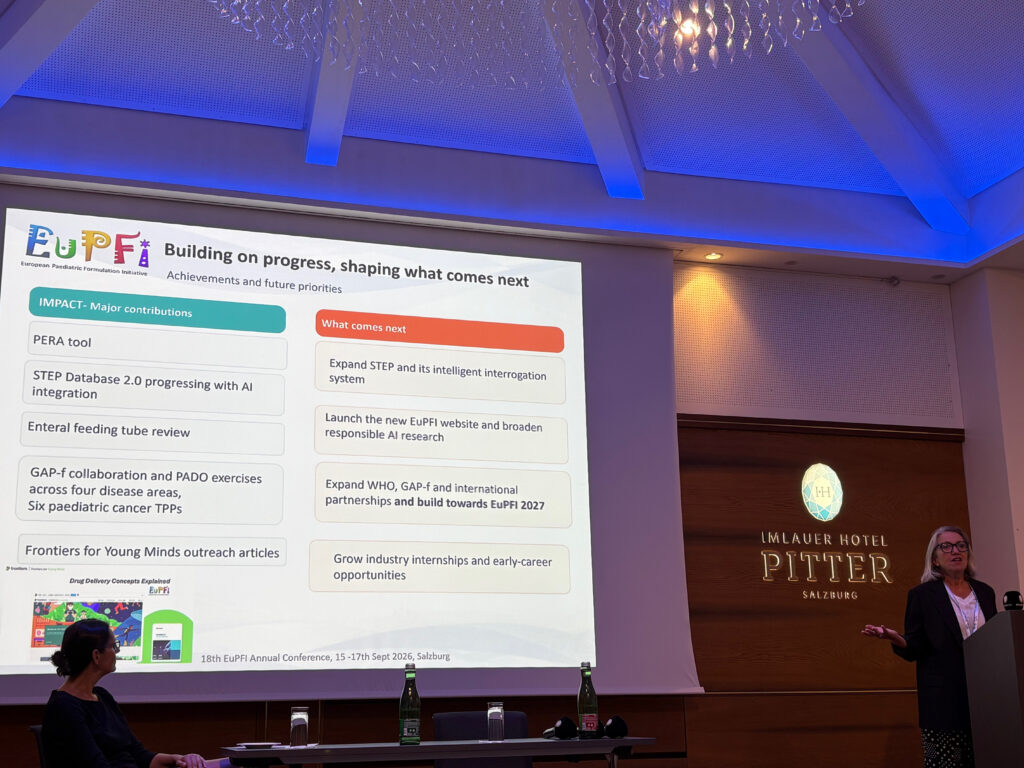
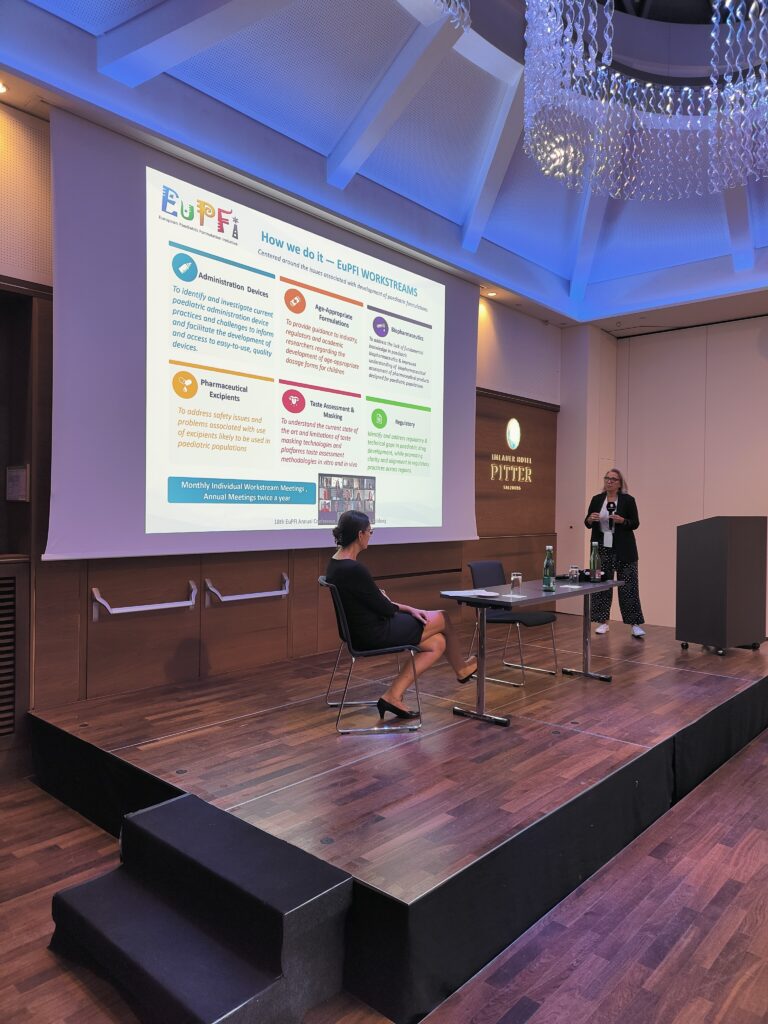
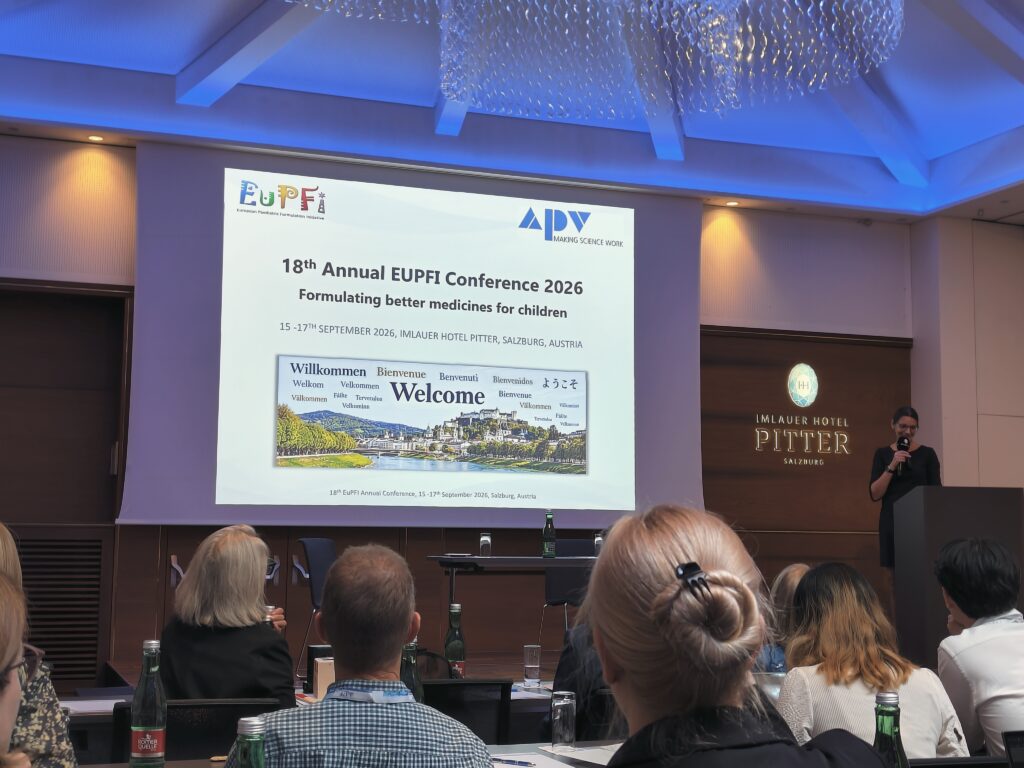
The European Paediatric Formulation Initiative (EuPFI) Conference 2026 on “Formulating Better Medicines for Children”, organized in partnership with the International Association for Pharmaceutical Technology (APV), took place from 16–17 September 2026 in Slazburg, Austria.
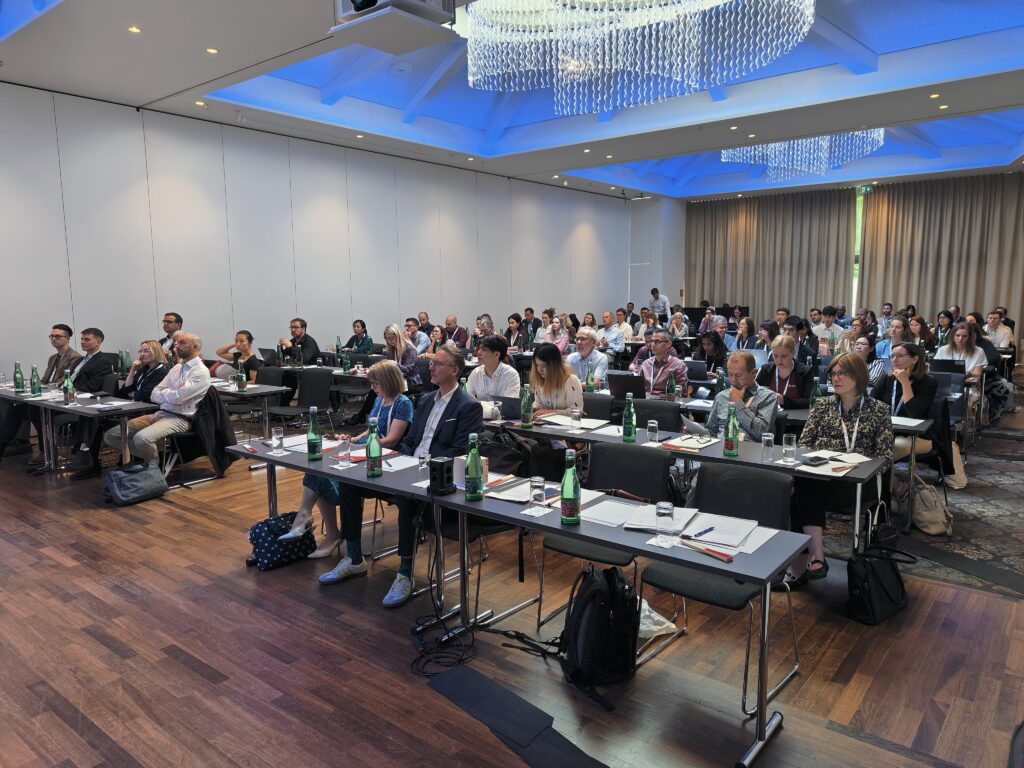
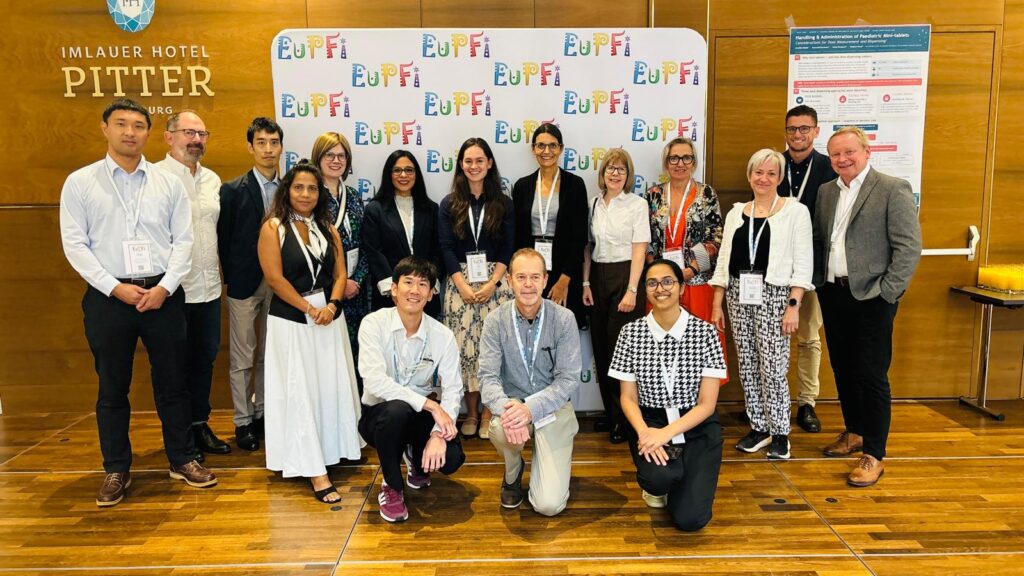
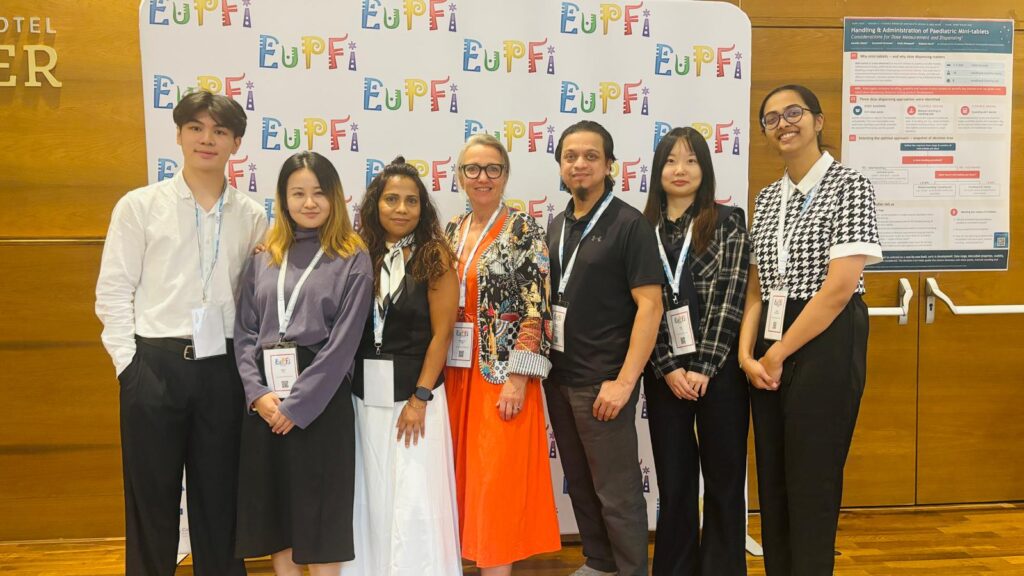
The conference brought together 100 delegates from 21 countries, fostering vibrant discussions on recent innovations and global progress in paediatric medicine development. Renowned scientists delivered inspiring presentations, shedding light on the critical considerations that shape research in paediatric formulations.
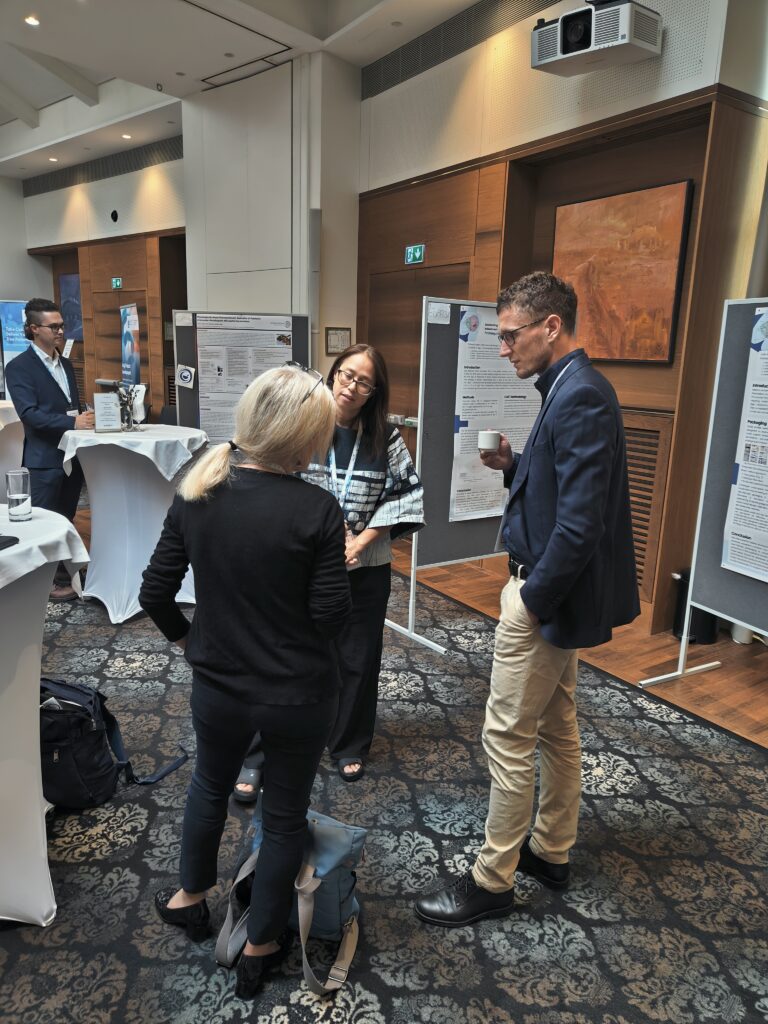
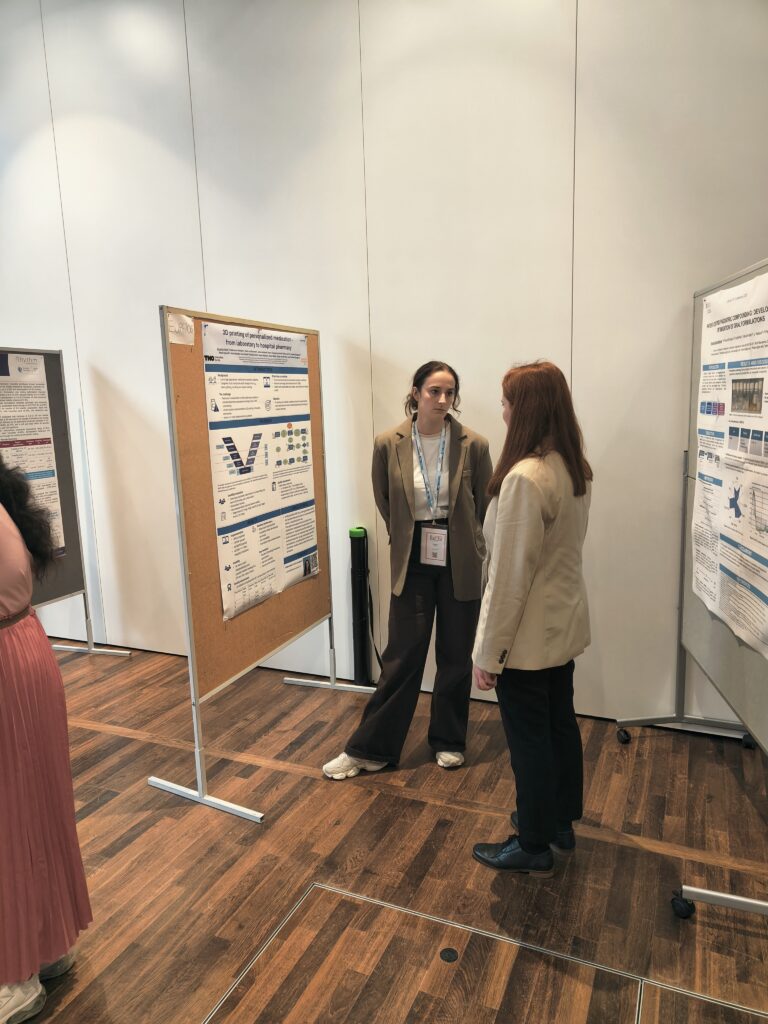
EuPFI’s mission is to advance patient-centred drug products tailored for children, and this conference once again served as a dynamic platform for knowledge exchange, collaboration, and innovation. Alongside the presentations, 40 posters were showcased, providing students and early-career scientists with an invaluable opportunity to share their research, ideas, and discoveries.
We extend our heartfelt gratitude to our presenters, sponsors, exhibitors, scientific organizers, session chairs, poster judges, conference secretariat, volunteers, and to all who supported the event. A special thanks goes to our attendees, whose expertise, enthusiasm, and active engagement played a vital role in the success of the conference.
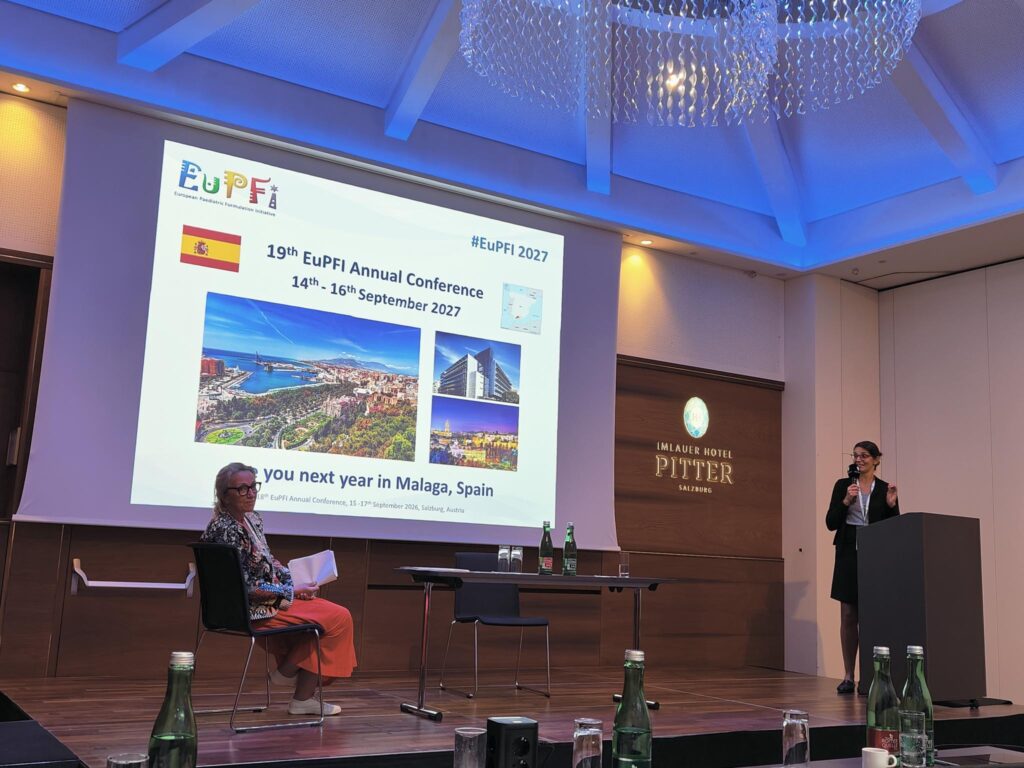
With the momentum of #EuPFI2026, we now look forward to #EuPFI2027. Stay tuned for updates on the dates and venue as we continue the journey towards advancing paediatric formulation research and developing better medicines for children.
Programme
EuPFI 2026 Programme - Click here
Poster Presentations
Posters
Please Note- All the posters are available on the Dryfta Platform
EUPFI04: Developing the correlation between in vitro digestion of infant formula and human milk, drug solubilisation and bioavailability for pediatric formulations of poorly water soluble drugs
Ben Boyd, Monash University
EUPFI05: Patient-Centered Pediatric Compounding: Development and Optimization of Oral Formulations
Encarnacion Garcia-Montoya, Universitat De Barcelona
EUPFI06: 3D printing of personalized medication – from laboratory to hospital pharmacy
Kjeld Van Bommel, TNO
EUPFI07:Development of Taste-Masked Bivamelagon Paediatric Solution Formulations
Amit Sawant, Quotient Sciences United Kingdom
EUPFI08: Development of Taste-Masked Bivamelagon Paediatric Solid Oral Formulations
Amit Sawant, Quotient Sciences, United Kingdom
EUPFI09: Integrating Machine Learning into a Quality by Design Framework for Oral Solutions Administered via Enteral Feeding Tubes
Anthony Ch'an, UCL School Of Pharmacy, United Kingdom
EUPFI10: Effectiveness of food products to mask the unpleasant taste of a medicine: a taste trial involving young adult assessors and flucloxacillin oral liquid medicine
Susmita Paul*,The University Of Western Australia
EUPFI11: A paediatric study using a computer-based visual questionnaire to investigate the impact of appearance on the acceptability of age-appropriate solid oral drug formulations
Alexandra Lorenz, University Children's Hospital Dusseldorf
EUPFI12: Acceptability of CHILD-IVITAB, a novel orodispersible ivermectin formulation for children
Diell Aliu, University of Basel
EUPFI13: Rapid, non-destructive detection of low levels of degradation in neonatal dopamine infusions by deep ultraviolet spectroscopy
Nancy Moore, University College Cork
EUPFI14: Acceptability of iron-fortified powder for childhood anemia prevention through health intervention in Ucayali, Peru
Zarela Bravo, Ucayali Regional Government
EUPFI15: Stability of sildenafil citrate compounded oral formulations in a suspension vehicle free from potentially harmful excipients
Daphne Coach, Galenova
EUPFI16: From Formulation to Function: A Sublingual Film Delivering Rapid Disintegration, and Enhanced Bioavailability
Jatin Sood, ARx LLC
EUPFI17: Influence of Excipients and Storing Conditions on Critical Quality Attributes of Amlodipine Mini-tablets
Jona Sandstrom, Heinrich Heine University Dusseldorf
EUPFI18: Pellet based systems for individualized API dosing
Juliana Winter, Glatt GmbH
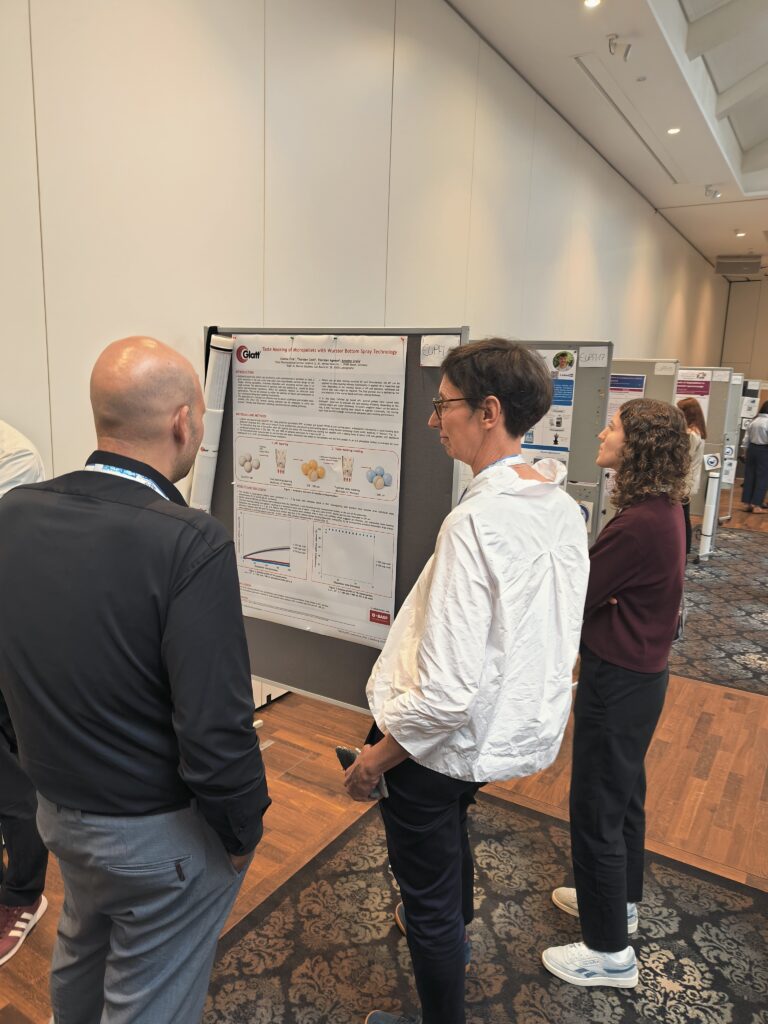
EUPFI19: Taste-masking of drug-layered micro-pellets with Wurster bottom-spray technology
Cosima Fink, Glatt Pharmaceutical Services GmbH und Co. KG
EUPFI20: Benchmarking Bitterness Prediction Models Against Pharmaceutical Active Ingredients and Excipients
Jiao Jin, UCL School Of Pharmacy , United Kingdom
EUPFI21: Key challenges in mini-tablet dosage form manufacturing process development
Amanda Dang, Gilead Sciences, Inc.
EUPFI22: Acceptability of Tablet and Mini-Tablet Dosage Forms for Treatment of Paediatric Populations of HIV-1 or HCV
Amanda Dang, Gilead Sciences, Inc
EUPFI23: Mini-tablet Coating Monitoring Facilitated by Inline Optical Coherence Tomography
Ruben Martins Fraga, Research Center Pharmaceutical Engineering GmbH
EUPFI25: Towards a synthesised framework for paediatric medicines acceptability: Development of the MEDAC (Medicine Acceptability in Children) acceptability-design framework
Munsur Ahmed, Great Ormond Street Hospital/UCL, United Kingdom
EUPFI27: Incorporation of Amoxicillin Drug Products into Semi-Solid Extrusion 3D-Printed Pediatric Dosage Forms
Jonas Hoffmann, Heinrich Heine University Duesseldorf
EUPFI29: Industry case studies highlighting analytical considerations for soft food vehicle compatibility testing of pediatric mini-tablets
Melinda Runyan, Gilead Sciences, Inc.e
EUPFI31: From Molecule-Centred AI to Formulation-Centred AI: Assessing the Readiness of Palatability Prediction Tools for Pediatric Formulation Development
Soukaina Boufaress, Faculty of Medicine, Pharmacy and Dentistry of Fez - University Sidi Mohamed Ben Abdellah
EUPFI33: Formulation and characterization of Prednisolone compressed lozenges in a low-dose formulation
Valentina Belfiglio, University G. d'Annunzio Chieti-Pescara
EUPFI35: High-Boiled Lozenges of Prednisolone: proof of concept of Novel Paediatric Oral Dosage Form
Giada Baccari, G. DeAnnunzio University
EUPFI36: Screening and mechanical characterization of optimized hydrogel-based oral formulations for paediatric epilepsy treatment
Megan Kernohan, Ulster University
EUPFI37: From drug manufacture to household use: perspectives on the acceptability and packaging to enhance adherence for Primaquine radical cure in children with vivax malaria.
Julie Nguyen Ngoc Pouplin, Reseau Medicament Et Development ReMeD
EUPFI38: Assessing acceptability of paediatric formulations to boost real-life implementation of WHO recommended treatment – Primaquine for malaria transmission blocking.
Thibault VALLET, ClinSearch
EUPFI41: MATE: An Evidence-Driven AI-Powered Decision Support Tool for Safer Drug Administration via Enteral Feeding Tubes
Sifan Hu, UCL School Of Pharmacy
EUPFI42: Physiologically Based Pharmacokinetic Evaluation of Paediatric Artesunate Amodiaquine Micropellet Formulations
Jonas Lange, University Of Greifswald
EUPFI43: A three-compound PBPK model of clopidogrel for paediatric dose selection
Farnaz Shokraneh, Abo Akademi University
EUPFI44: Milk by Design: Development of standardized dosing vehicles for simulating milk products in in vitro compatibility testing
Frank Karkossa, University Of Greifswald, Germany
EUPFI45: Acceptability of mercaptopurine oral tablets among children with acute lymphoblastic leukemia in Pune, India
Asavari Raut, Bharati Vidyapeeth (Deemed to be University), Poona College of Pharmacy, Pune, India
EUPFI48: Optimisation of a Lipid-Based Paediatric Extended-Release Matrix Tablet: Impact of Tablet Size and Hardness on Drug Release Under Biorelevant Paediatric Conditions
Leon Stellflug, University Of Greifswald, Germany
EUPFI49: Assessing Alignment Between Healthcare Professionals' Medication EFT Administration Practices and Approved Product Labelling
Aisha Qayyum, UCL School of Pharmacy, United Kingdom
Soapbox Session Presentations
Please Note- All the presentations are available on the Dryfta platform
From Formulation to Function: A Sublingual Film Delivering Rapid Disintegration, and Enhanced Bioavailability
Jatin Sood, ARx LLC, United States
Incorporation of Amoxicillin Drug Products into Semi-Solid Extrusion 3D-Printed Pediatric Dosage Forms
Jonas Hoffmann, Heinrich Heine University Duesseldorf, Germany
Integrating Machine Learning into a Quality by Design Framework for Oral Solutions Administered via Enteral Feeding Tubes
Anthony Ch'an, University College London, United Kingdom
Towards a synthesised framework for paediatric medicines acceptability: Development of the MEDAC (Medicine Acceptability in Children) acceptability-design framework
Munsur Ahmed, University College London UCL, United Kingdom
Acceptability of Tablet and Mini-Tablet Dosage Forms for Treatment of Paediatric Populations of HIV-1 or HCV
Amanda Dang, Gilead Sciences, Inc., United States
Rapid, non-destructive detection of low levels of degradation in neonatal dopamine infusions by deep ultraviolet spectroscopy
Nancy Moore, University College Cork, Ireland
Effectiveness of food products to mask the unpleasant taste of a medicine: a taste trial involving young adult assessors and flucloxacillin oral liquid medicine
Susmita Paul, The University Of Western Australia, Australia
Session Presentations
Please note- All the presentations are available on Dryfta platform.
Welcome and Introduction
Catherine Tuleu, University College London, School of Pharmacy, United Kingdom
Sandra Klein, University of Greifswald, Greifswald, Germany
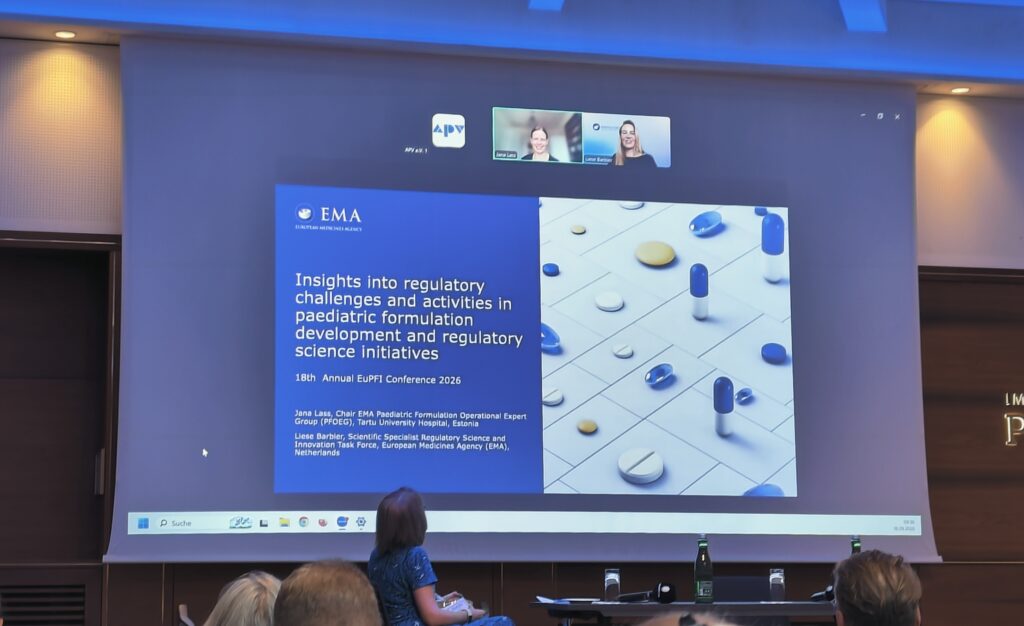
Plenary 1: Insights on regulatory challenges and activities in the area of paediatric formulation development & European platform for regulatory science research and opportunities for academic collaboration in advancing regulatory science.
Jana Lass, Chair EMA Paediatric Formulation Operational Expert Group (PFOEG), Amsterdam
Liese Barbier, EMA Regulatory Science and Innovation Task Force, Amsterdam
Session 1: Case Studies from Industry: Lessons, Challenges, Solutions
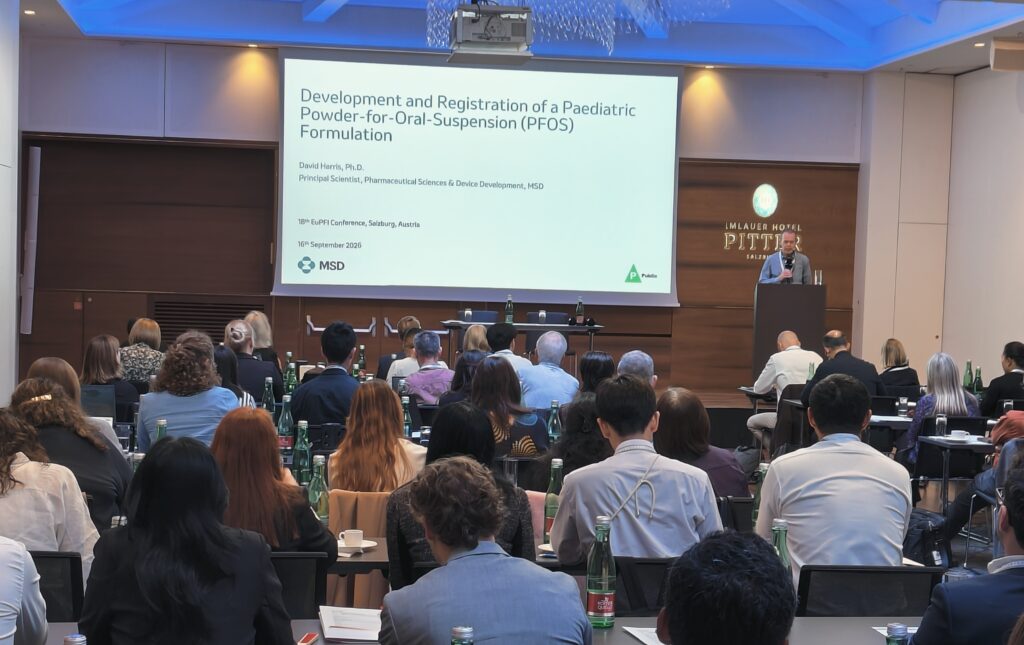
Development and registration of paediatric Powder for-Oral-Suspension formulation
David Harris, MSD, USA
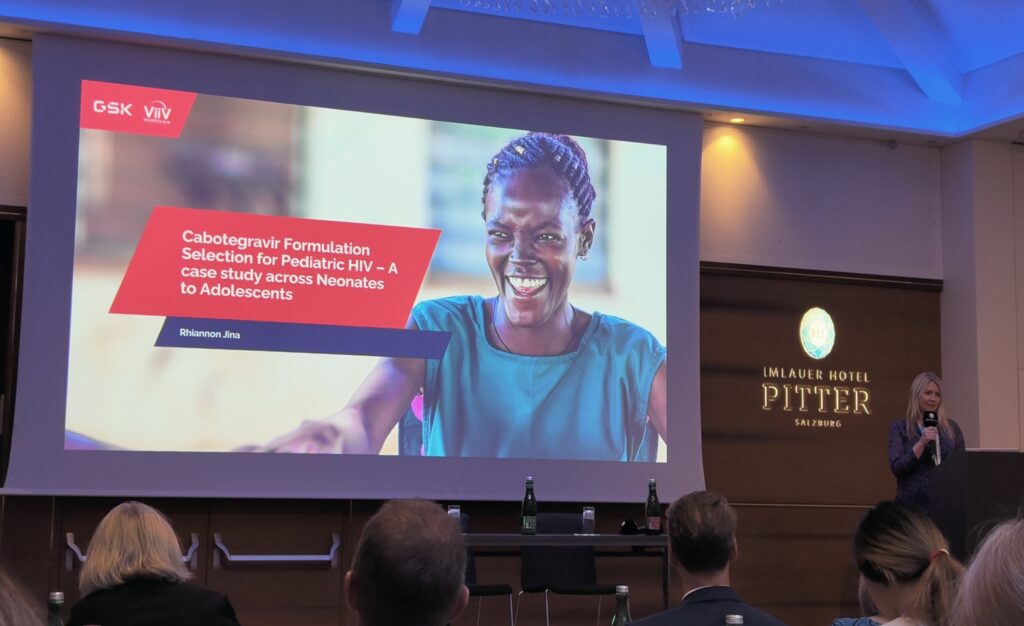
Cabotegravir Formulation Selection for Pediatric HIV: A Case Study Across Neonates to Adolescents
Rhiannon Jina, GSK, United Kingdom
Developing the correlation between in vitro digestion of infant formula and human milk, drug solubilisation and bioavailability for pediatric formulations of poorly water soluble drugs
Ben Boyd, Monash University, Australia
Session 2: Strategies for flexible dosing of mini tablets for paediatric patients
Considerations and human factor study insights for dose measurement and dispensing
Chair: Jenny Walsh, Jenny walsh consulting, United Kingdom
Panel members:
Esmerald Hermans, Johnson & Johnson Innovative Medicine, Belgium
Emily Sheppard, Proveca Ltd, United Kingdom
Stephan Horst, Boehringer Ingelheim Pharma GmbH & Co. KG, Germany
Jibril Abdus-Samad, Food and Drug Administration , United States
Julia Pinto, Food and Drug Administration, United States
Tu Chi-ming (Alice), Food and Drug Administration, United States
Plenary 2: Clinical/translational focus on 3DP for children – from clinical studies to real world use/applications and the regulatory implications
Marija Tubic Grozdanis, Universitätsmedizin, der Johannes Gutenberg-Universität Mainz Apotheke, Germany
Session 3: Nasal, microNeedles, and New Possibilities: Paediatric Drug Delivery Reimagined
Explore cutting-edge non-oral routes in paediatric medicines, nasal sprays and microneedles through expert insights and real-world challenges in design, safety, usability, and acceptability.
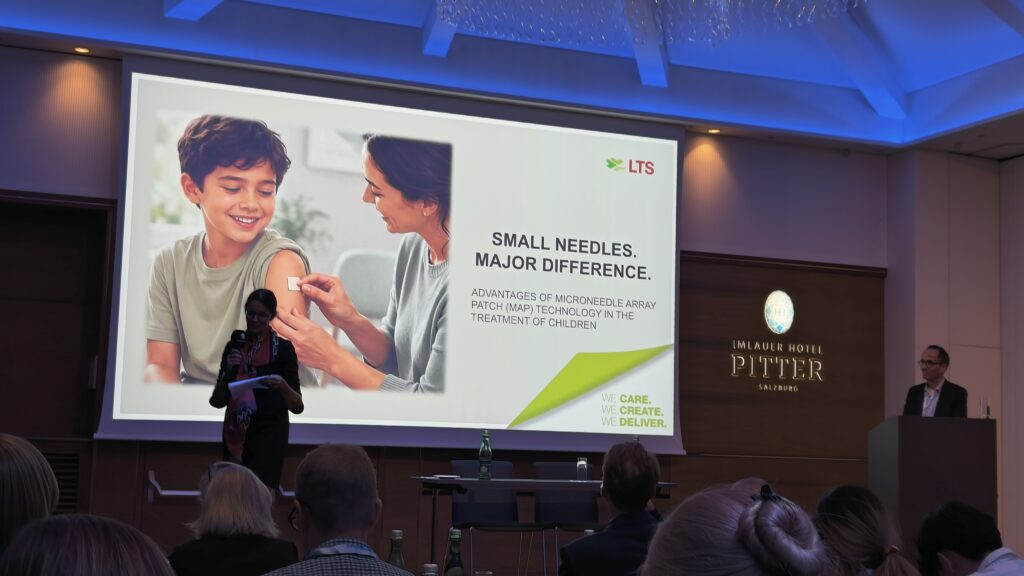
Micro array patch technology
Frank Theobald, Lohmann Therapie-Systeme AG, Germany
The Evolving Landscape of Paediatric Nasal Drug Delivery
Louise Rawcliffe, Therakind Ltd, United Kingdom
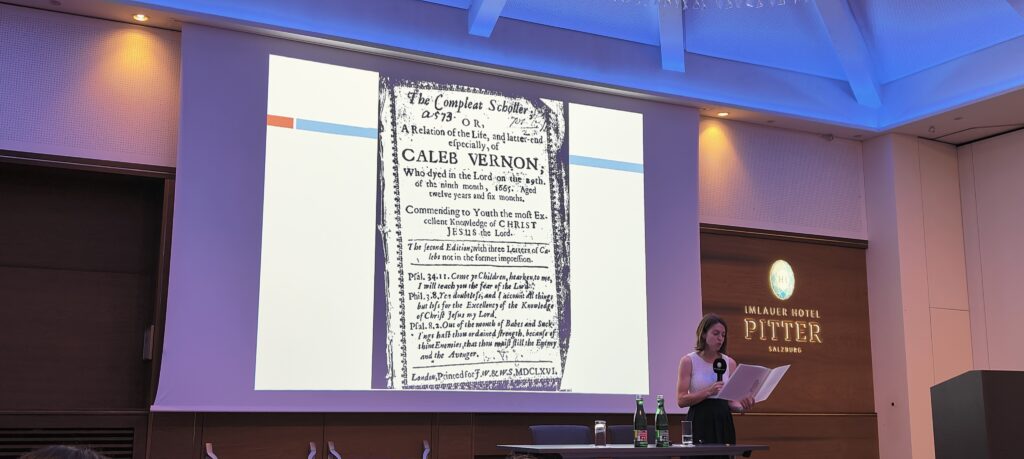
Planery 3: To Please & Comfort the Sick Child: Making Children’s Medicines Better Before Modern Paediatrics
Hannah Newton University of Reading, United Kingdom
Session 4: Global Voices, Local Impact: Advancing Medicines for Children
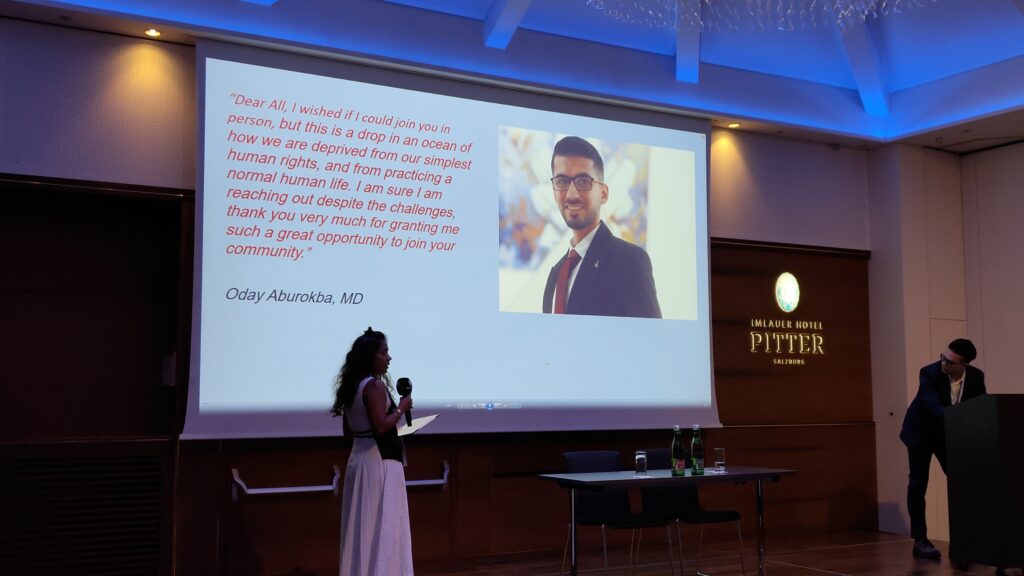
Paediatric Medicines in Crisis: Formulations, Access, and Challenges
Oday Aburokba, Gaza
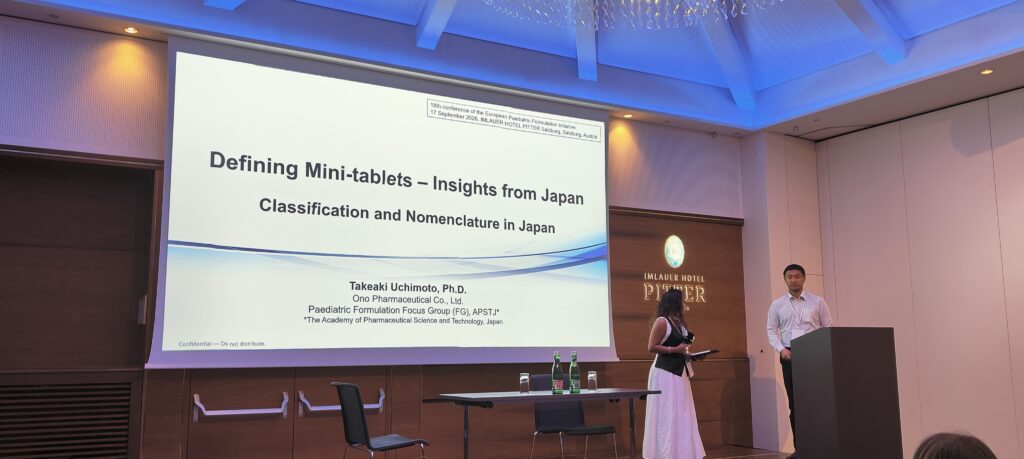
Defining Minitablets – Insights from Japan
Takeaki Uchimoto, Ono Pharmaceutical Co., Ltd, Japan
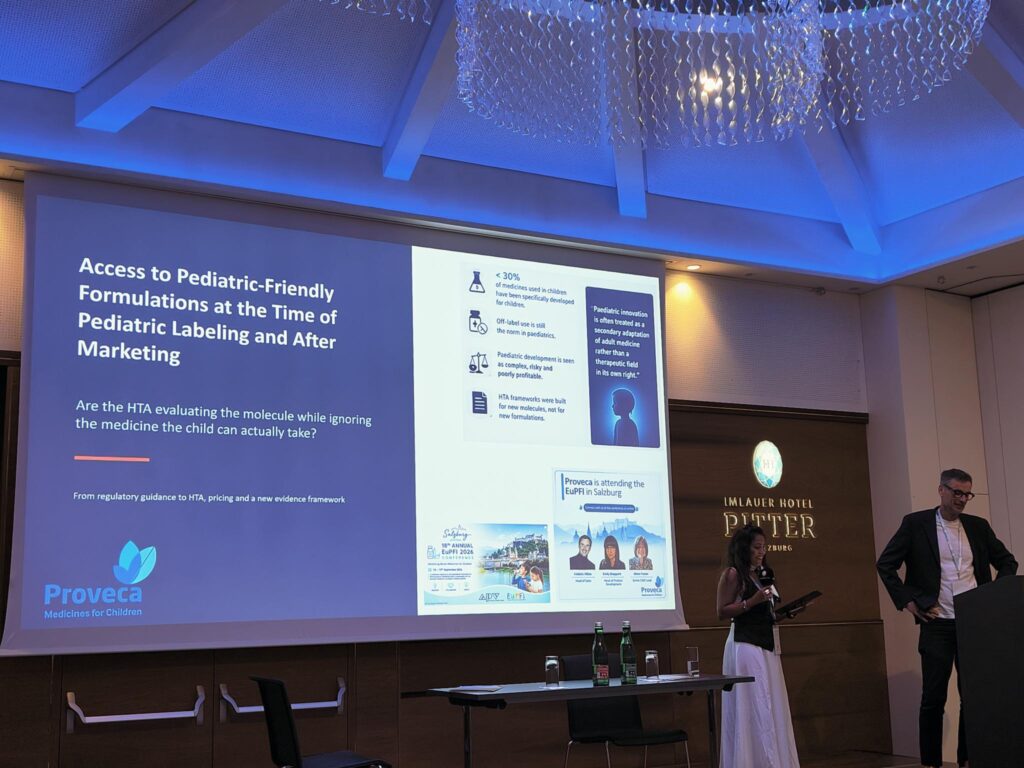
Plenary 4: Access to Pediatric-Friendly Formulations at the Time of Paediatric Labeling and After Marketing
Frédéric Villain, Proveca, United Kingdom
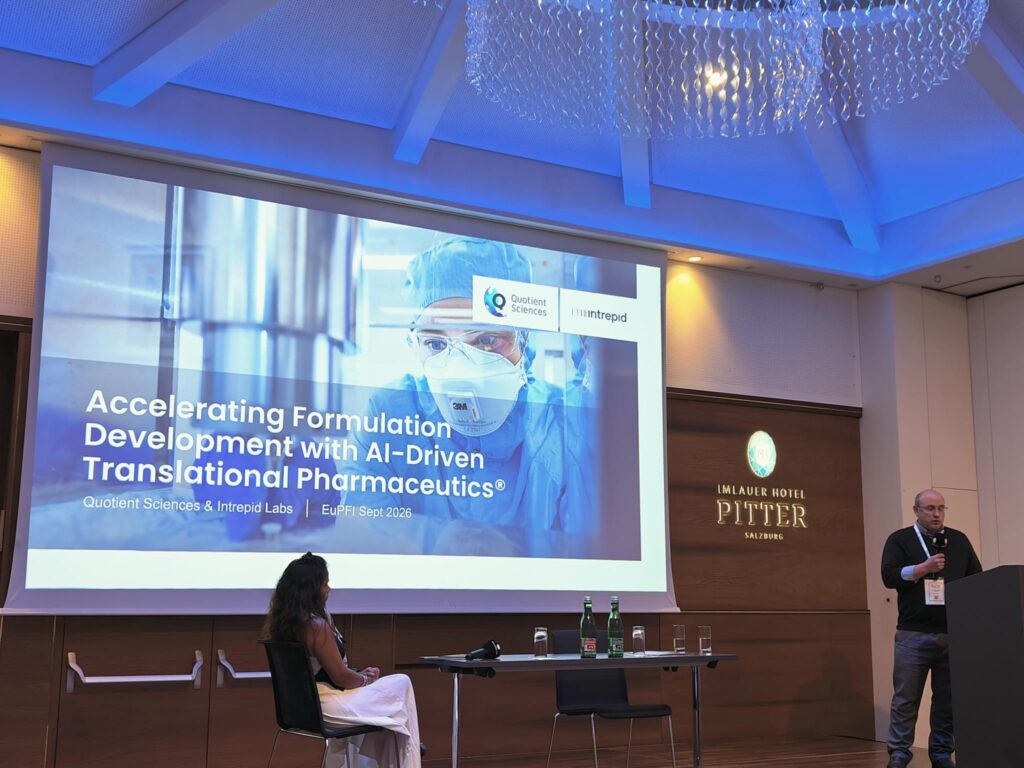
AI in Formulation: Designing the Future
A forward-looking talk on leveraging AI to streamline formulation design, predict outcomes, and tackle complex challenges in drug development.
Andrew Parker, Quotient Sciences, United Kingdom
Preconference Workshop Presentations
Administration of Medicines via Enteral Feeding Tubes: Progress, Practice, and Persisting Challenges
A preconference workshop on the administration of paediatric medicines via enteral feeding tubes (EFT), bringing together healthcare professionals, pharmaceutical industry representatives, and regulatory agencies (FDA, EMA) to
1. Map how the field has evolved: published standards, new case examples, and lessons from real-world practice.
2. Showcase ongoing initiatives and research addressing the previously identified gaps, through invited presentations from people actively working on solutions.
3. Capture regulator perspective on what has changed in expectations or guidance.
Chair:
Smita Salunke, EuPFI, University College London (UCL), School of Pharmacy, United Kingdom
Speakers and Panel members :
Melanie Turenne, iCAN (International Children‘s Advisory Network), United States of America
Charlotte Clay, Quotient Sciences Ltd., United Kingdom
Andrea Gill, Neonatal Paediatric Pharmacists Group, Alder Hey Children‘s Hospital, United Kingdom
Elimika Pfuma Fletcher, Food and Drug Administration (FDA), United States of America
Dominique Verstraete, Johnson & Johnson Innovative Medicine, Belgium
Frank Karkossa, University of Greifswald, Greifswald, Germany
Sifan Hu, University College London (UCL), School of Pharmacy, United Kingdom
Jenny Walsh, Jenny Walsh Consulting, United Kingdom
PCCA Award Winners
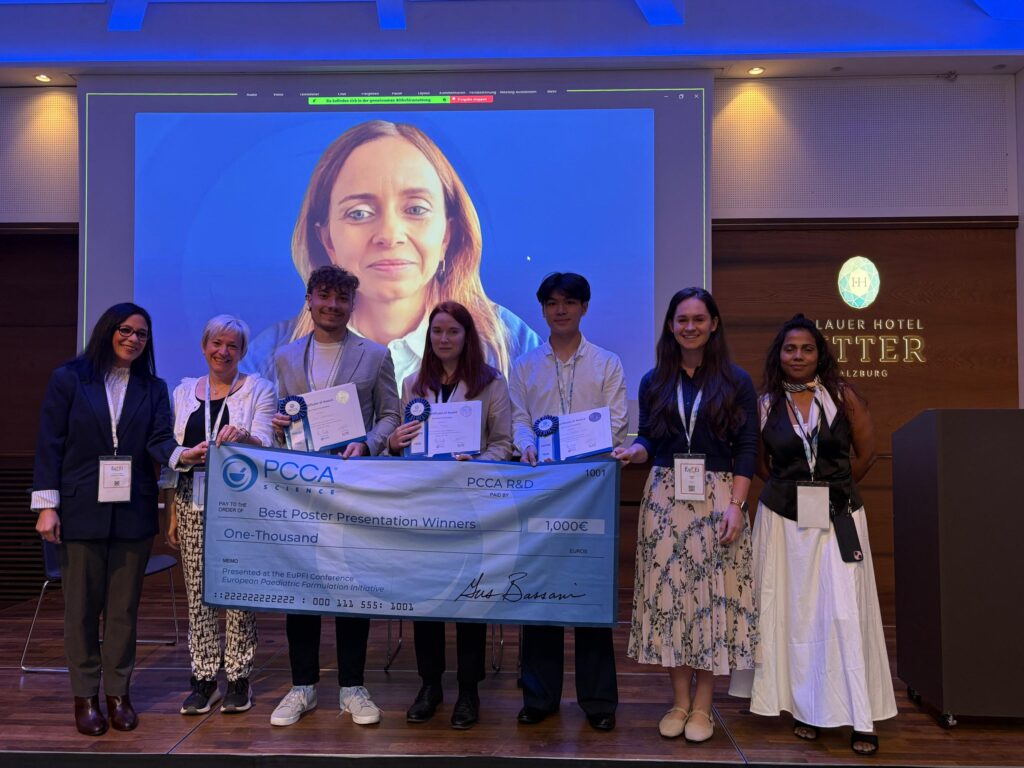
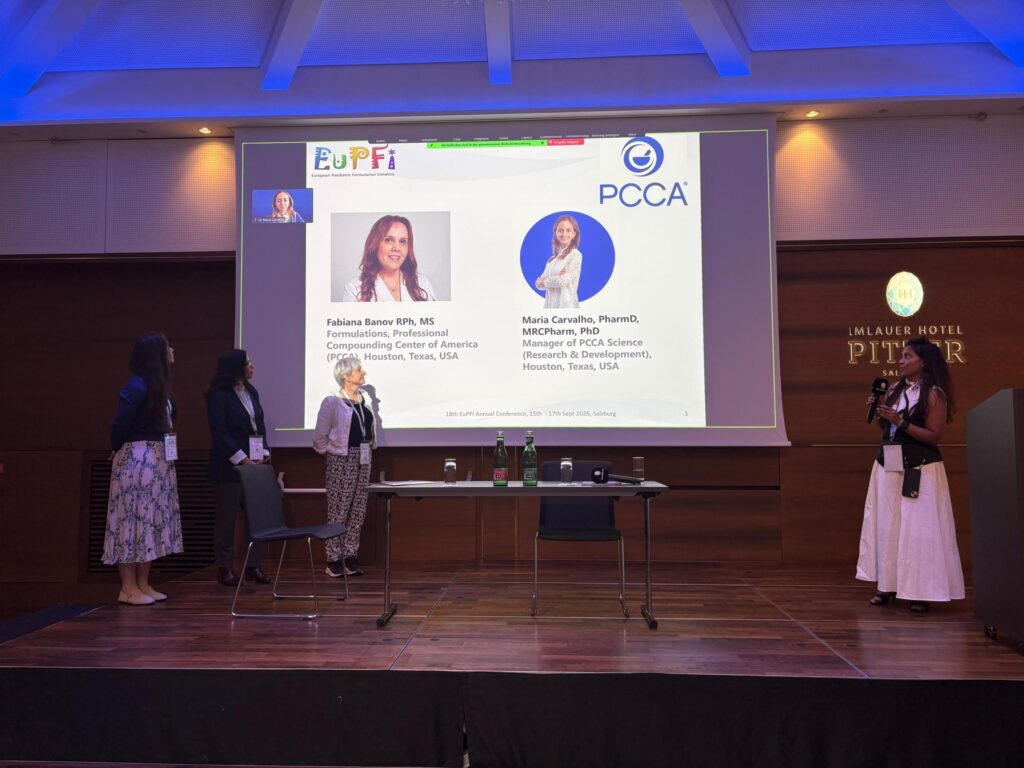
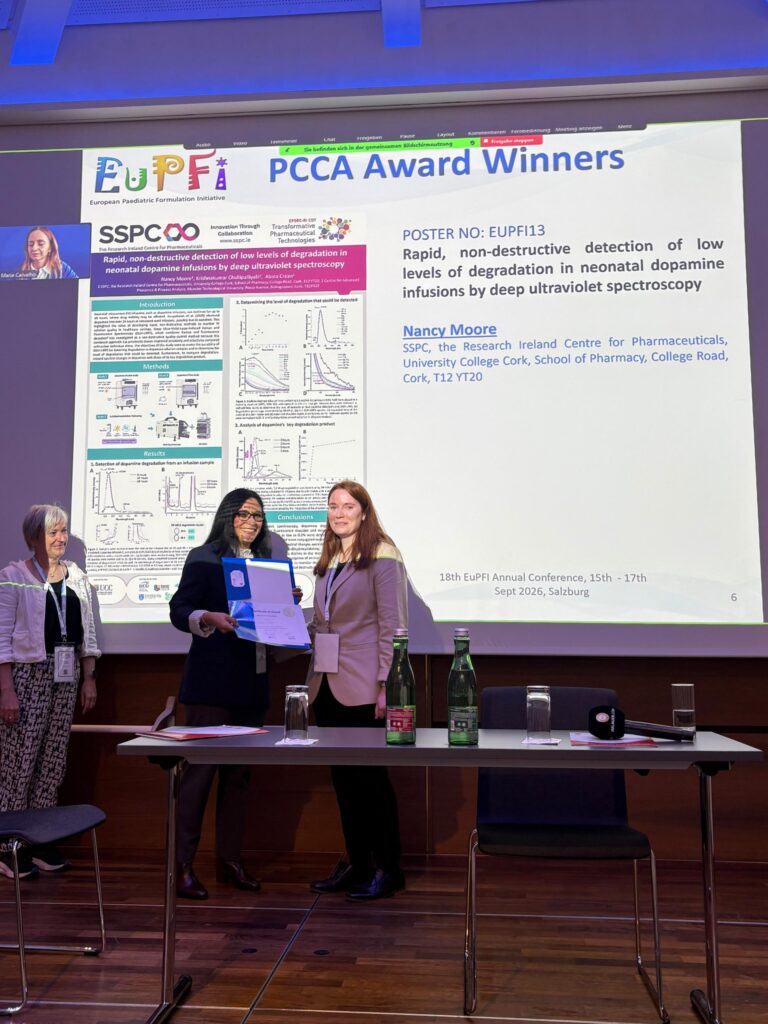
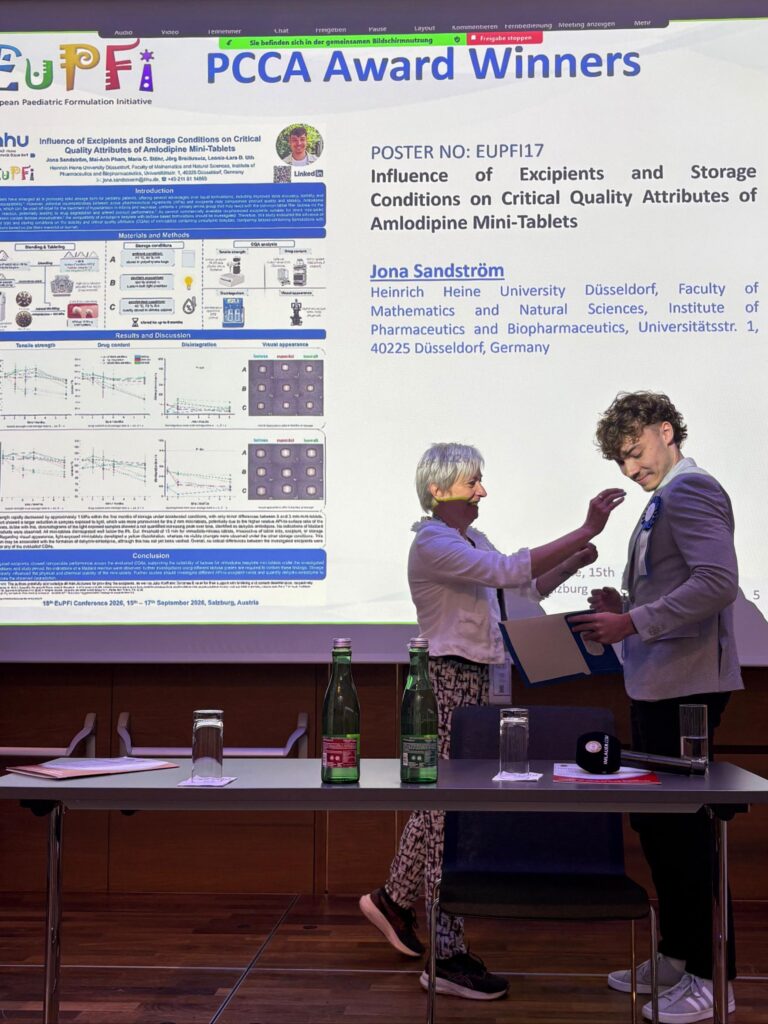
The Professional Compounding Centers of America (PCCA) sponsored three poster awards and one oral presentation award.
Winners of the poster awards:Jona Sandström, Heinrich Heine University Düsseldorf, Faculty of Mathematics and Natural Science, Institute of Pharmaceutics and Biopharmaceutics, Universitätsstr. 1, 40225 Düsseldorf, Germany
Influence of Excipients and Storage Conditions on Critical Quality Attributes of Amlodipine Mini-Tablets
Nancy Moore, SSPC, the Research Ireland Centre for Pharmaceuticals, University College Cork, School of Pharmacy, College Road, Cork, T12 YT20, Ireland
Rapid, non-destructive detection of low levels of degradation in neonatal dopamine infusions by deep ultraviolet spectroscopy
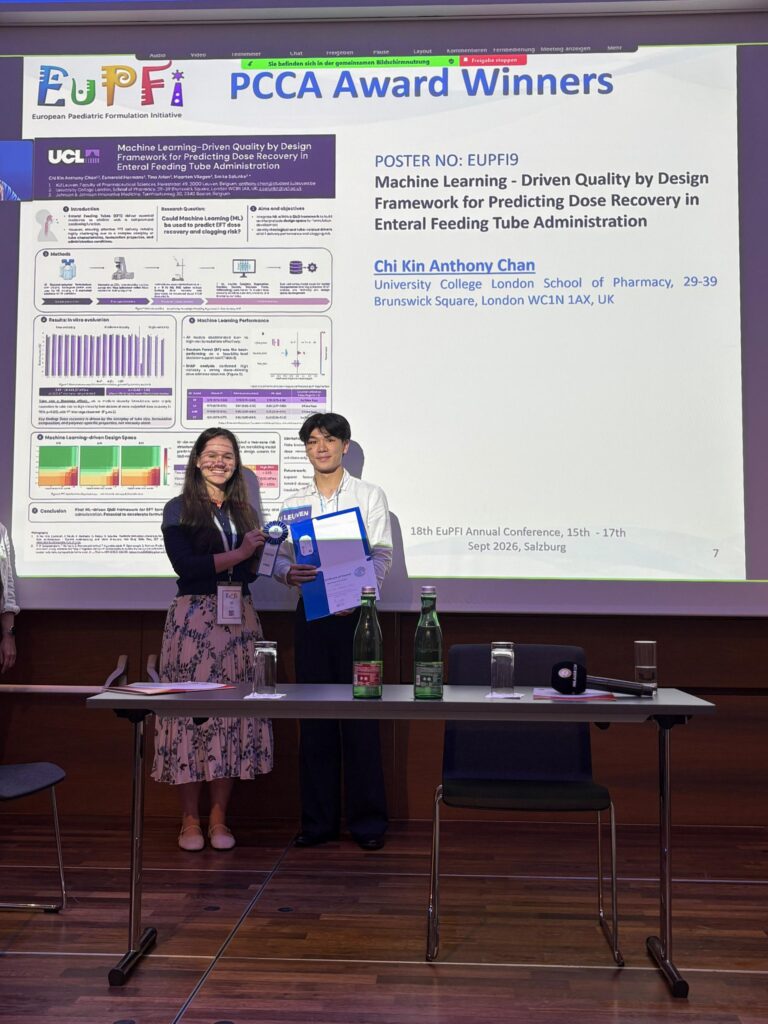
Anthony Chan, KU Leuven, Faculty of Pharmaceutical Sciences, Herestraat 49, 3000 Leuven, Belgium
Machine Learning - Driven Quality by Design Framework for Predicting Dose Recovery in Enteral Feeding Tube Administration
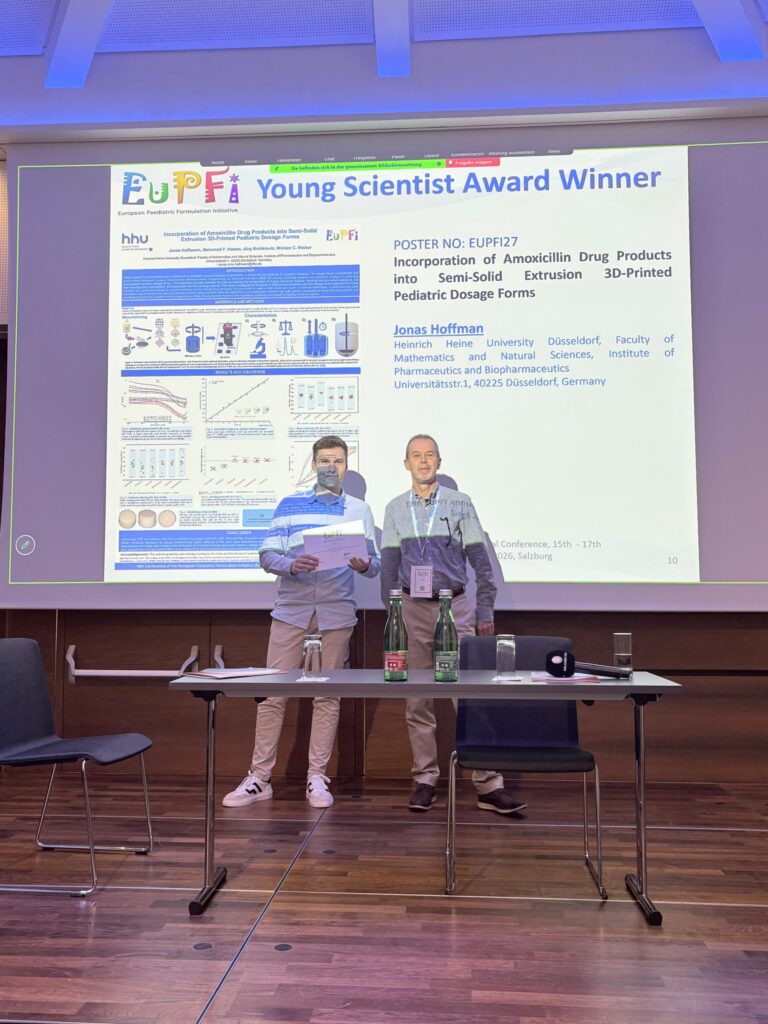
Winner of the EuPFI Young Scientist Award:
Jonas Hofmann, Heinrich Heine University Düsseldorf, Faculty of Mathematics and Natural Science, Institute of Pharmaceutics and Biopharmaceutics, Universitätsstr. 1, 40225 Düsseldorf, Germany
Incorporation of Amoxicillin Drug Products into Semi-Solid Extrusion 3D-Printed Pediatric Dosage Forms
EuPFI 2026 Photo Gallery



Contacts
18th Conference of the European Paediatric Formulation Initiative
Conference Secretariat
APV
International Association for Pharmaceutical Technology
Kurfürstenstraße 59, 55118 Mainz/Germany
Tel.: +49 6131 9769-0
Fax: +49 6131 9769-69
Website: www.apv-mainz.de
E-mail: apv@apv-mainz.de
European Paediatric Formulation Initiative
Website: www.eupfi.co.uk
E-mail: admin@eupfi.co.uk
University College London School of Pharmacy,
29-39, Brunswick Square
London , WC1N 1AX
Phone:+44 20 3987 2885
Fax: 0044 20 7753 5942
